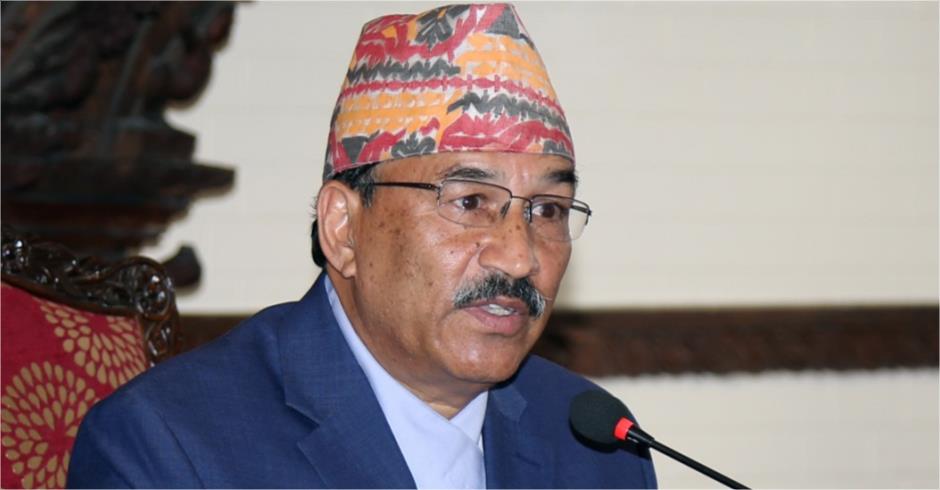
२३ असोज, काठमाडौं । पूर्वराजा ज्ञानेन्द्र शाहले दसैंको समय पारेर राजनीतिक दलहरुमाथि गम्भीर प्रश्न उठाउँदा पनि कुनै दलले शाहको अभिव्यक्तिप्रति कुनै प्रतिक्रिया दिएका छैनन् । तर राजनीतिक दलका नेताहरुको क्रियाकलापमाथि कडा आलोचना गर्ने लेखक खगेन्द्र संग्रौलाले भने पूर्वराजा शाहप्रति कडा जवाफ फर्काएका छन् ।
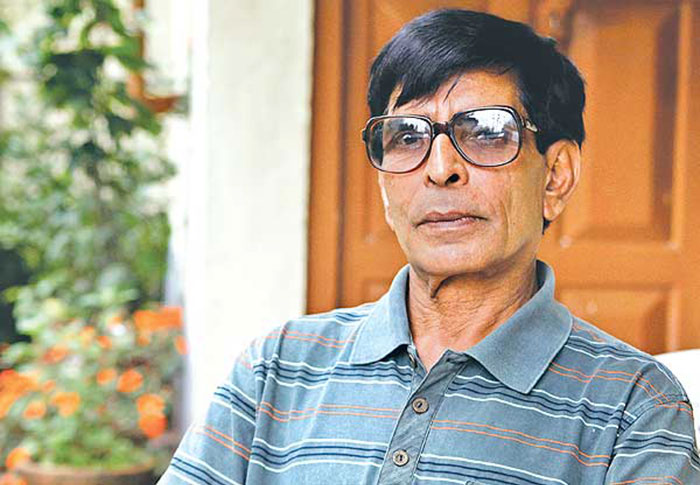
साउथएसियाडटकमडटएयुसँग कुराकानी गर्दै वामपन्थी लेखक संग्रौलाले राजनीतिक दलमाथि प्रश्न गर्ने नैतिक अधिकार पूर्वराजा शाहसँग नभएको कडा टिप्पणी गरेका छन् । हेर्नुहोस् विस्तृतमा :
A noted author and columnist from Kathmandu has said that whereas the seven politically-charged questions that Nepal’s last monarch recently raised are extremely relevant to the fragile socio-political context of the Himalayan nation, Gyanendra Shah doesn’t have “the moral right” to raise them in the first place.
What he asked last Friday nevertheless hit the very core of local political parties’ performance, or the absence of it, Khagendra Sangroula indicated during a telephone conversation with southasia.com.au today.
Issuing a press statement on the occasion of Dashain Festival, Mr Shah had made a direct reference to the performance of the main political parties who robbed him of the throne in 2008. The questions, translated version of which have been made available below, make mockery of the political parties’ failure to deliver on their tall promises made after republicanism was imported into the mountain nation.

Unlike last year when few political leaders spoke of “repercussions” when Mr Shah made similar political comments, they have maintained stoic silence this year – including the very vocal ex-Prime Minister K.P. Sharma Oli.
Their complete silence may have left the Nepalese public bewildered but not Mr Sangroula.
The first possible reason of silence
“We may look at it from two different angles: First, political leadership may have chosen not to react against Gyanendra’s comments because they see no significance in it at all.” He reminded that it was mainly due to Mr Shah’s nature and role that led to the abolition of monarchy, “He was not popular among people even before he became the king. And he was not popular after he became the king as well.”
Even though the questions Mr Shah put to the political leaders were all pertinent and timely, the renown satirist remarked, he has long lost the moral authority to raise such questions. “The questions raised by Gyanendra, in my view, are the right questions but again the question arises as to where he gets the moral right to raise those questions. We all can imagine what would be the condition of Nepal today had Gyanendra continued his regime,” Mr Sangroula said on Sunday, alluding to the fact that the ex-king himself was no better when he directly ruled the country following the death of his brother King Birendra.
It is because of this background that the political parties may have seen no value in his words due to which they did not issue any statements against Mr Shah’s sharp criticism, he noted.

The second possible reason
The other reason that may explain the suspicious silence of the political parties could be, the novelist said, because the seven politically-charged questions are at the heart of how they performed since they wrested power off the palace.
The other reason that may have stopped the political leadership from responding to the open challenge of a king they overthrew less than a decade ago is because they do not have “the moral and physical base” to launch their verbal retaliation from. “The questions Gyanendra Shah raised directly relate to the actions, morality and opinions of the political parties,” Mr Sangroula said, and they do not want to go there.
Given the economic, political, moral and indigenous issues that still dog the South Asian nation in all these years since Mr Shah was thrown out of the palace, all questions raised by him are “worth-speculating”, Mr Sangroula said when asked what he personally thought of them.
Translated version of the seven questions contained in Gyanendra Shah’s festive press release
Question 1. Has there been positive changes in the daily life of people over the past decade?
Question 2. Have nationalism, sovereignty, national unity and social amity become stronger?
Question 3. Has a pro-people governance and administration been established by replaced corruption, irregularities, slow service delivery and impunity?
Question 4. Has an environment conducive to development, construction and industries been created?
Question 5. Have national self-respect and interests been protected by formulating a mature foreign policy?
Question 6. And, have Nepali youths been liberated from a situation wherein they are bound to leave their home and family members and toil in foreign lands?
Question 7. Have crime and criminalisation been discouraged?